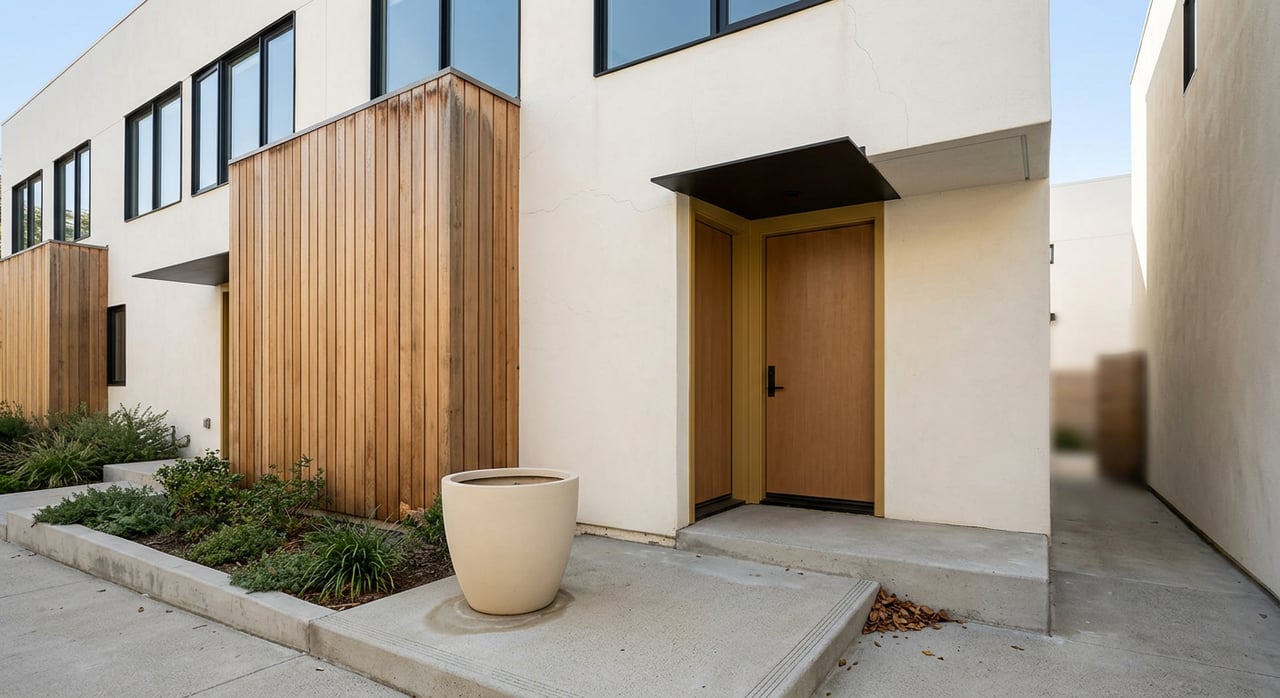
Trying to decide between a single-family home and a townhome in San Mateo? You are not alone. Both options can work well on the Peninsula, but they serve different lifestyles and budgets. In this guide, you will compare space, privacy, upkeep, financing, insurance, and long-term flexibility so you can choose with confidence for your life in San Mateo. Let’s dive in.
Market snapshot: price and pace
San Mateo is a fast-moving, high-demand market. Recent city reports commonly show single-family median sale prices around $2.0M, while townhomes often land in the $1.3M to $1.6M range (Homes.com, Jan 2026). County-wide medians vary by month and source, with San Mateo County single-family medians often between $1.8M and $2.4M and condo or townhome medians roughly $900K to $1.4M in late 2024 and 2025 reports.
Days on market are typically short for well-priced single-family homes, with townhomes sometimes seeing a bit more inventory and slightly longer timelines (early 2026 reporting). The takeaway: pricing and speed lean in favor of single-family homes for space and liquidity, while townhomes can create an easier entry point and more choice.
Lifestyle differences: privacy and space
Privacy and noise
If you value separation and quiet, a detached single-family home gives you no shared walls and more control over your environment. Townhomes share at least one wall and rely on HOA rules, construction quality, and layout for privacy. End units and better soundproofing can help, but the experience is different from a detached home.
Outdoor space and lot size
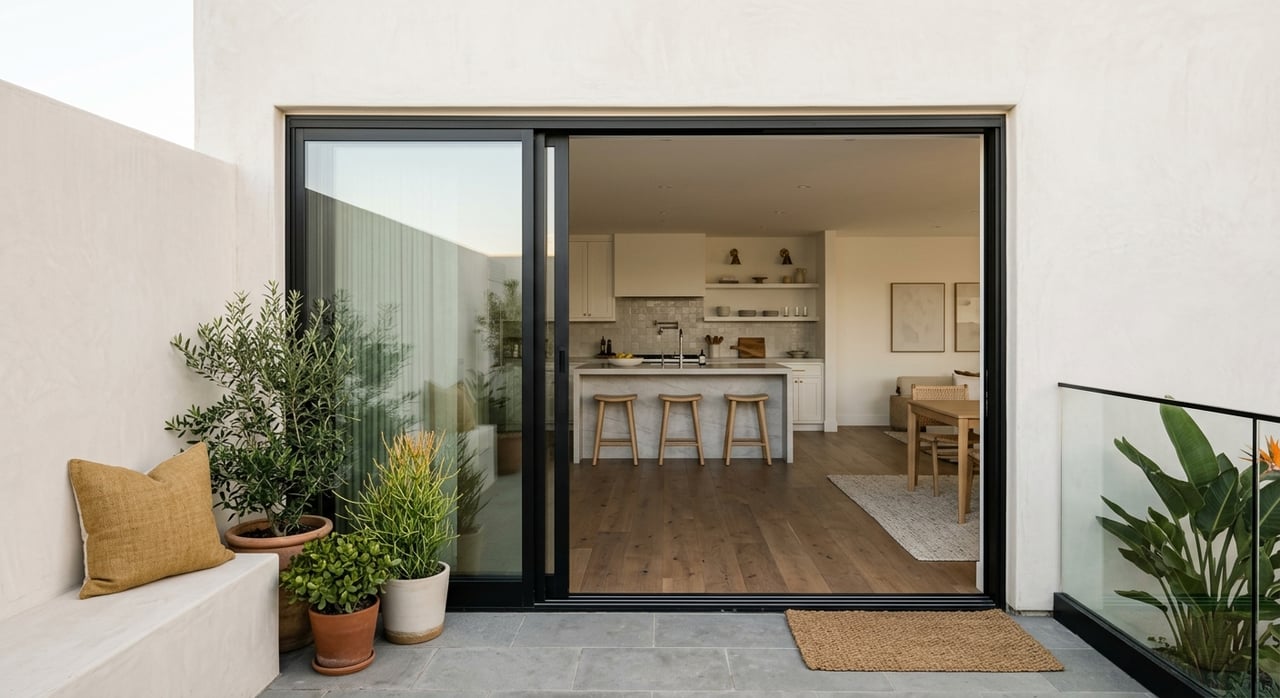
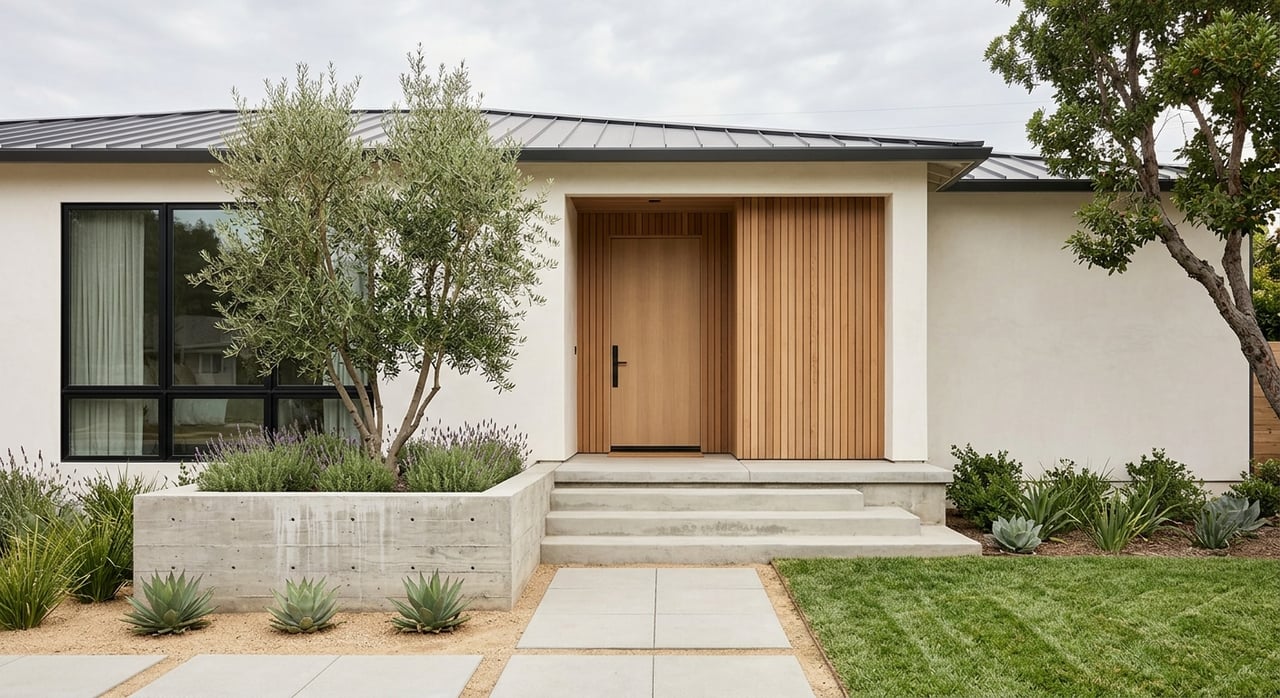
Single-family lots in San Mateo commonly range from about 4,000 to 10,000 square feet in established neighborhoods, which supports gardening, play space, storage, and future projects. Many townhomes offer a patio or balcony, and some have small fenced yards. If you want a large private yard, a single-family home is usually the better fit. If you prefer a compact outdoor area and shared green spaces, a townhome can be ideal.
Maintenance, HOA and monthly costs
What HOAs usually cover
With a single-family home, you typically handle exterior maintenance, the roof, landscaping, and all systems. That adds control, and also adds responsibility.
With townhomes, many exterior and common-area tasks are covered by the homeowners association. You pay monthly dues to fund routine work and long-term reserves. The split between what the HOA covers and what you cover depends on the CC&Rs, the maintenance matrix, and the master insurance policy. California’s HOA framework, often referred to through the Davis–Stirling Act and its AB‑805 recodification, sets standards for disclosures, budgets, and reserves. If you are shopping in an HOA, review those documents early. You can learn more about association and owner responsibilities in the state’s legislative overview of AB‑805 and related Civil Code sections.
Typical HOA dues in San Mateo
Local listings often show townhome HOA dues in the range of about $300 to $800 per month, with higher or lower outliers depending on amenities, age, and what utilities or insurance the dues include. Always confirm what dues cover, including water, trash, exterior insurance, and contributions to reserves.
Monthly carrying cost: run the full math
Your monthly payment is more than the mortgage. It includes property tax, insurance, maintenance, and HOA dues if applicable. As a simple illustration, a $1.5M townhome with a $500 HOA fee can produce a different monthly outlay than a $2.0M single-family home with no HOA. Price alone does not tell the full story. Ask your lender for scenario estimates so you can compare total monthly costs across actual listings.
Also plan for property taxes under California’s Prop 13 structure. The base rate is 1 percent of assessed value plus local bonds and parcel taxes. Many San Mateo County examples show an effective burden around 0.6 to 0.8 percent of market value once you account for assessment timing and local add-ons. For context, see the county summaries at TaxByCounty’s California page, and verify parcel-specific numbers with the County Assessor.
Financing and resale considerations
Project warrantability for townhomes
Conventional lenders evaluate attached-home communities at the project level. That means your lender will review the HOA’s reserves, owner-occupancy, insurance, delinquency rates, litigation, and other factors before approving your loan. Homes in projects that meet these standards are often called “warrantable.” If a project does not meet standards, you may face a larger down payment or a portfolio loan. You can see how lenders evaluate projects in Fannie Mae’s project standards overview.
A detached single-family home does not trigger a project-level review, which can simplify financing. Either way, engage your lender early so you understand program options and any project constraints.
Resale and buyer pool
Single-family homes tend to appeal to a broader buyer pool and command a premium in many Peninsula neighborhoods. Townhomes shine for buyers who value lower exterior upkeep and convenient, transit-oriented living. The HOA’s financial health can affect resale for attached homes, so reviewing reserve studies, delinquency rates, special assessment history, and litigation risk is key well before you make an offer.
Insurance basics and earthquake coverage
Insurance needs differ by property type. For a single-family home, you usually carry a standard homeowners policy. For a townhome or condo, the HOA often insures the building and common areas under a master policy, while you carry an HO‑6 policy for your unit’s interior finishes, personal property, and liability. The right coverage depends on whether the master policy is bare-walls, studs-out, or all-in. Learn the differences in Allstate’s overview of condo versus homeowners insurance.
Earthquake insurance is a separate consideration across the Bay Area. Deductibles are often percentage-based, commonly 5 to 25 percent of the dwelling limit. Premiums and deductibles vary by home value, age, and retrofit status. Budgeting for this coverage can change your total monthly plan, especially for higher-value homes. For a helpful primer, see Forbes Advisor’s guide to earthquake insurance.
ADUs, renovations and flexibility
If you want future flexibility, a single-family lot often gives you the widest path. San Mateo’s Accessory Dwelling Unit ordinance outlines ministerial approvals and fees for eligible single-family parcels. Multi-family buildings and many townhouse or condo communities have different constraints. If rental income, multigenerational living, or work-from-home separation is important, study the ADU pathway on the City’s site and confirm what is allowed for the specific parcel you are considering. Review the City of San Mateo’s Accessory Dwelling Unit guidelines for local rules.
Neighborhood fit in San Mateo
- Aragon and Baywood Knolls feature established single-family streets with larger lots and traditional curb appeal. If you prioritize yard space and separation, these areas often deliver.
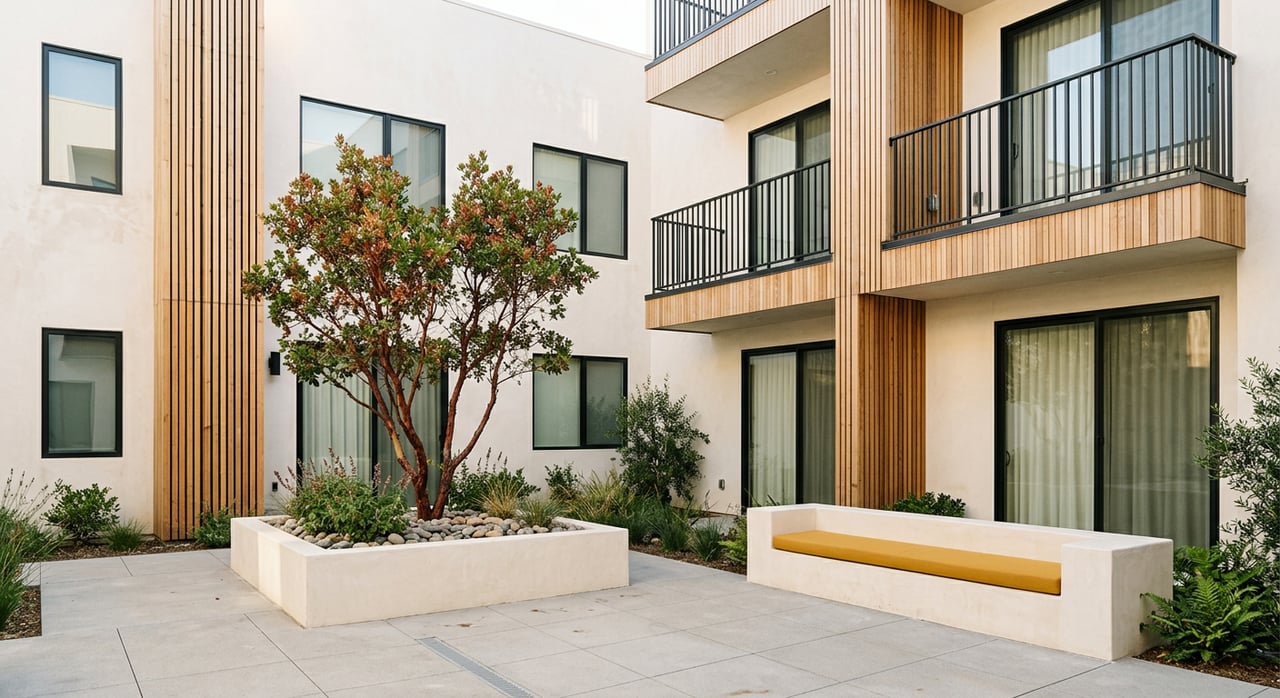
- Bay Meadows, Hillsdale, and the Downtown corridor offer newer townhome and condo options with walkable access to shopping, parks, and transit. If you prefer low exterior upkeep and a vibrant, connected lifestyle, these neighborhoods are strong choices.
- Western hillside pockets vary by view, lot privacy, and renovation level. You will see wider price spreads based on condition and outlook.
Your best fit comes down to the balance of space, upkeep, and location you want day to day.
Quick comparison: single-family vs townhome
| Factor | Single-family home | Townhome |
|---|---|---|
| Privacy | No shared walls; more control over noise | Shared walls; privacy varies by build and layout |
| Outdoor space | Larger private yards; more storage | Patios/balconies; some small fenced yards |
| Maintenance | Owner manages exterior and systems | HOA covers exteriors and common areas per CC&Rs |
| HOA dues | None in most cases | Commonly about $300 to $800+ per month |
| Financing | Property-level underwriting | Project review can affect loan options |
| Insurance | Standard homeowners policy | HO‑6 policy plus HOA master policy |
| Flexibility | Easier path for ADUs and additions | HOA rules and lot type limit changes |
What to review before you write an offer
For townhomes and condos
- HOA budget, recent financials, and reserve study.
- Insurance certificate showing master policy type and limits.
- Meeting minutes for the last 12 months, delinquency rate, and any planned special assessments.
- Rental and owner-occupancy ratios, plus any litigation details.
- Estoppel or dues statement showing amounts owed and transfer fees.
California’s HOA framework requires disclosure of budgets, reserves, and other key items. For background, review the state’s summary of AB‑805 and related Civil Code sections. Ask your lender to run project eligibility checks in line with Fannie Mae’s project standards early in your process.
For single-family homes
- Seller disclosures and relevant inspections, including roof, pest, HVAC, and foundation.
- Permit history for improvements and any Accessory Dwelling Unit work, aligned with the City’s ADU guidelines.
- Utility bills, property tax history, parcel taxes or bonds, and boundary or easement information.
For both
- Full monthly cost estimate that includes mortgage, property tax, insurance, HOA if any, and a maintenance reserve.
- Early lender consultation on loan programs and any property or project constraints.
How to choose what fits you
Use these lenses to focus your decision:
- Space and privacy. If a private yard, storage, and separation from neighbors come first, lean single-family. If you prefer a simpler, lower-upkeep lifestyle and a walkable location, a townhome is often a better fit.
- Budget and total cost. Compare full monthly numbers across real listings, not just price tags. Factor in HOA dues, insurance needs, and earthquake coverage.
- Financing path. If you plan to use FHA or a low down payment program, confirm project eligibility and reserve strength early for any attached community.
- Time and maintenance. If you do not want to manage exterior repairs, an HOA can be attractive. Review reserve studies and assessment history to avoid surprises.
- Risk and insurance. Understand what the HOA master policy covers and what falls to you. Price out earthquake coverage and deductibles for your short list.
- Long-term plans. If you hope to add an ADU, modify layouts, or expand, a single-family parcel usually gives you the most flexibility under San Mateo rules.
A local partner for a clear next step
Choosing between a single-family home and a townhome in San Mateo comes down to the life you want to live every day and the numbers that support it. If you want help comparing neighborhoods, reading HOA documents, modeling monthly costs, or planning an ADU path, you can lean on local expertise and a thoughtful process. When it is time to sell and step up, Compass Concierge can also fund strategic updates and staging with no upfront cost, then settle at closing.
Ready to map your options with a clear, calm plan tailored to you? Schedule a personalized consultation with Jlu Real Estate. We speak English, Cantonese, and Mandarin, and we are here to help you move with confidence.
FAQs
Are townhomes cheaper than single-family homes in San Mateo?
- City reporting often shows a lower median for townhomes, roughly $1.3M to $1.6M versus about $2.0M for single-family homes (early 2026 snapshots), but individual neighborhoods and property condition can shift this.
What do HOA dues in San Mateo usually include for townhomes?
- Dues commonly fund exterior maintenance, landscaping, reserves, and common-area insurance; always confirm the maintenance matrix and master policy type in the HOA documents.
How do property taxes work in San Mateo County?
- Prop 13 sets a base 1 percent rate on assessed value plus local bonds and parcel taxes; many county examples show an effective burden around 0.6 to 0.8 percent, which you can compare at TaxByCounty’s California page.
Can I add an ADU to a San Mateo townhome or condo?
- ADU rules favor single-family parcels with ministerial pathways; attached communities have different constraints, so review the City’s ADU guidelines and the HOA’s CC&Rs before planning.
Will earthquake insurance raise my monthly costs in San Mateo?
- It often does, since premiums and percentage-based deductibles can be significant for high-value homes; get quotes early and review basics in Forbes Advisor’s earthquake guide.