Thinking about calling San Mateo home? You want a place that balances a lively downtown with peaceful streets, quick commutes, and easy access to the Bay. In this guide, you’ll get a feel for daily life, neighborhood vibes, parks and trails, dining, and practical essentials so you can decide if it fits your routine. Let’s dive in.
San Mateo at a glance
San Mateo sits between San Francisco and San Jose on the Peninsula. It blends older tree-lined neighborhoods with newer mixed-use areas, a walkable downtown, and waterfront parks. The city is diverse in people and experiences, with dining that reflects a wide range of cultures and tastes. Living costs run higher than the national average, driven mostly by housing.
Neighborhood snapshots
Downtown and Central Park
If you like to walk to coffee, dinner, and errands, downtown may fit your rhythm. Central Park is the city’s green hub with a Japanese garden, rose garden, playgrounds, and bocce. Housing nearby ranges from older single-family homes to low- and mid-rise condos and apartments. Caltrain is within walking distance for many blocks near Broadway and Central Park.
Bay Meadows, Hillsdale, and the south side
Bay Meadows, a master-planned neighborhood on the former race track site, brings modern condos, townhomes, and parks next to shops and eateries. Hillsdale Shopping Center anchors retail for the south side with a wide mix of stores and dining. You’ll find good freeway access to 101 and 92 for cross-bay and north-south trips. Some streets feel newer and planned, with parks woven into daily life.
North Shoreline and Coyote Point
Closer to the Bay, you’ll feel breezes and see open water. Mid-century homes and newer infill line quieter residential pockets. Coyote Point Recreation Area offers trails, picnic areas, a marina, and space for kite-flying, plus CuriOdyssey for hands-on science and wildlife exhibits. The Bay Trail connects you to miles of jogging and bike routes along the shoreline.
West side and the hills
West of El Camino Real, the pace is more residential and suburban. You’ll see postwar ranches, mid-century homes, and some older architectural styles on calmer streets. Lots can be larger compared to blocks near downtown, and many residents prioritize yard space and parking. Commuting is usually by car, with 280 a short drive away.
Transit corridor pockets
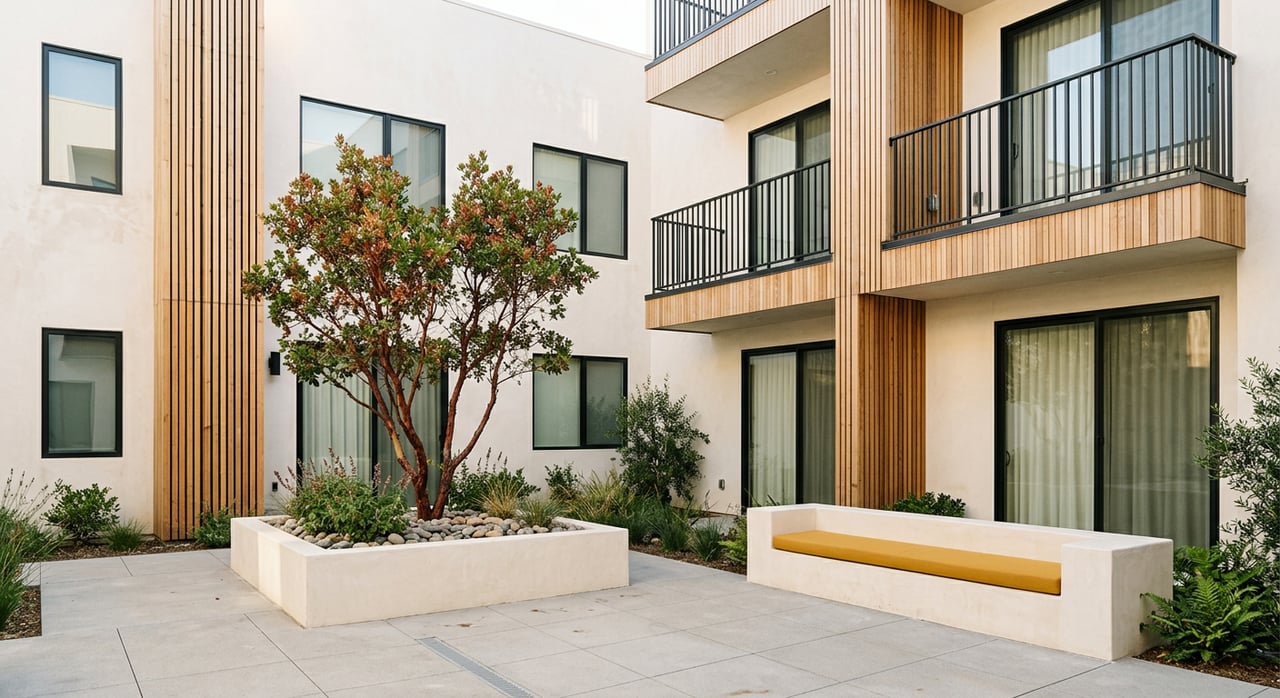
Areas near Caltrain stations and commercial corridors offer higher-density living and quick access to trains. You’ll see transit-oriented condos and apartments, plus converted older buildings with modern finishes. These blocks appeal if you prioritize shorter commutes to San Francisco or Silicon Valley.
Daily life essentials
Groceries and shopping
You have a mix of national supermarkets, specialty Asian markets, and independent produce shops. Downtown small businesses sit alongside services you’ll use weekly, from dry cleaners to fitness studios. Hillsdale Shopping Center serves as a one-stop for retail, dining, and entertainment.
Dining and nightlife
The restaurant scene is active and diverse. You’ll find Japanese, Chinese, Vietnamese, and Californian bistros, plus bakeries and coffee shops tucked along downtown streets. Evenings are lively but not late-night club heavy, with steady options for drinks and dessert.
Health care and services
Clinics and medical practices are spread across the city. Larger hospitals and specialty centers are a short drive away in nearby communities. It’s easy to build a care routine without leaving the Peninsula.
Parks and the outdoors
Central Park
Central Park is your go-to for a quick break or weekend picnic. Stroll the Japanese garden, relax in the rose garden, or play on the lawns and bocce courts. Seasonal community events and casual meetups make it a natural gathering place.
Coyote Point and the Bay Trail
At Coyote Point, you can walk bayside paths, launch a kayak, or explore CuriOdyssey with kids. The Bay Trail links shoreline segments for running and cycling. Some sections are more developed than others, but the scenery and breezes are a daily perk.
Regional trails and reservoirs
When you want a longer workout, head to nearby regional routes like the Sawyer Camp Trail along the Crystal Springs corridor. Expect scenic miles for running or biking on well-known paths. Access around reservoirs may be limited in places, so plan your route before you go.
Year-round climate
The marine-influenced climate stays mild for most of the year. Summers are cooler than inland areas, and you’ll get pockets of morning fog that burn off by midday. The weather supports outdoor time in every season, from park play to evening patio dinners.
Getting around
Roadways and cross-bay links
US-101 is the main north-south artery through San Mateo, with CA-92 connecting to the San Mateo Bridge and the East Bay. Interstate 280 hugs the inland hills for a scenic route south to Silicon Valley or north toward the city. Peak-hour congestion is common on major corridors, so timing and route choice matter.
Caltrain, buses, and BART access
Caltrain serves San Mateo with stations that connect to San Francisco and down the Peninsula to Redwood City and San Jose. SamTrans buses provide local and regional routes. BART does not serve central San Mateo, but many riders connect via Millbrae or the SFO area.
Airports
San Francisco International Airport is the closest major airport, usually a short drive depending on traffic. Regional general aviation is available at nearby small airfields.
Cost and housing mix
Living in San Mateo costs more than the U.S. average, largely because of housing. You’ll find single-family homes, postwar ranches, historic-era cottages near downtown, and Spanish or Mediterranean styles. Newer townhomes and condos are common near transit and in Bay Meadows. Lot sizes are often smaller than farther-inland suburbs, so outdoor space and yard size vary by neighborhood.
Schools and learning
Public elementary and middle schools are part of the San Mateo-Foster City Elementary District, with high schools in the San Mateo Union High School District. Families often review district maps and program offerings as part of their home search. The College of San Mateo provides community college programs and public events on a hilltop campus with Bay views.
Events and community life
The San Mateo County Fair, held at the county event center, is a long-running summer tradition with rides, music, and exhibits. Downtown hosts seasonal festivals, farmers’ markets, and library-led programs throughout the year. Parks and Recreation runs community sports, classes, and activities that make it easy to plug in.
Is San Mateo a fit for you
Choose San Mateo if you want Peninsula convenience with a mix of city energy and suburban calm. You can live steps from downtown coffee shops or settle on a quieter street with more space. With rail access, shoreline parks, and a strong dining scene, your weekly routine can flex from commuter-friendly to weekend-relaxed.
Plan your next step
If San Mateo fits your lifestyle, you’ll want a clear path from browsing to buying. That means neighborhood insight, smart timing, and polished presentation if you are selling. For buyers, you can weigh transit access, yard size, and school boundaries. For sellers, Compass Concierge can help fund improvements and staging with no upfront costs so your home shows at its best.
When you are ready, connect with a local guide who pairs boutique service with Compass tools. Reach out to Jlu Real Estate for neighborhood-by-neighborhood insight, multilingual support in English, Cantonese, and Mandarin, and Certified Senior Advisor care for life transitions. Schedule a personalized consultation and move forward with confidence.
FAQs
How long is the commute from San Mateo to San Francisco or Silicon Valley
- Many residents take Caltrain or drive on US-101, with travel times varying by time of day and proximity to stations or freeway access.
How walkable is living in downtown San Mateo
- Walkability is highest around Broadway and Central Park, where you can reach restaurants, shops, and Caltrain on foot.
What housing types can I expect in San Mateo
- You’ll see single-family homes, mid-century ranches, older cottages near downtown, plus newer townhomes and condos near transit and Bay Meadows.
Where are the main parks and outdoor areas in San Mateo
- Central Park anchors downtown, while Coyote Point offers shoreline trails, a marina, and CuriOdyssey, with the Bay Trail linking waterfront segments for biking and running.
What school options exist within San Mateo
- Public schools fall under the San Mateo-Foster City Elementary District and San Mateo Union High School District, with private and charter options also available.
How expensive is daily life in San Mateo
- Costs run higher than the national average, especially housing, so many buyers balance home size, commute time, and neighborhood amenities when deciding where to live.